Health Tracking App
A health tracking app helps you monitor daily steps, physical activity and wellness habits to better understand your lifestyle. From tracking movement to setting realistic goals, discover how health tracking works and how it can support healthier everyday choices.
Download Now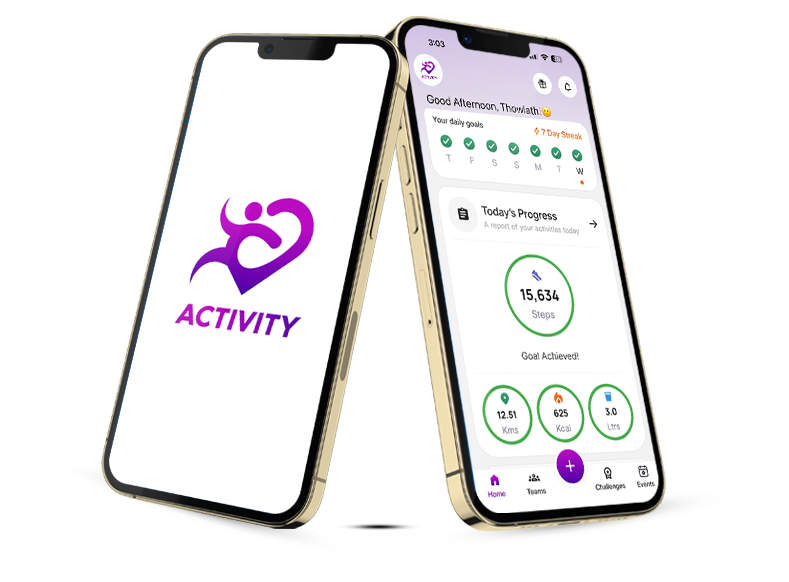
What Is a Health Tracking App?
A health tracking app is a mobile application that records and organises information about physical activity, health measurements and lifestyle habits. Depending on the app, it may track steps, walking distance, calories burned, sleep, heart rate or nutrition.
These applications use smartphone sensors, connected wearable devices or manually entered information to present daily and weekly activity summaries.
The purpose of health tracking is to help individuals understand their habits, recognise patterns and make informed lifestyle decisions. However, general wellness apps are not substitutes for professional medical advice.
How Does a Health Tracking App Work?
Health tracking apps collect information through smartphone sensors, wearable devices or manual entries and present it in an easy-to-understand format.
Motion sensors
Detect movement patterns to estimate steps and daily activity.
GPS tracking
Measures outdoor distance and routes when supported and enabled.
Wearable integration
Connects compatible fitness bands or smartwatches to collect additional measurements.
Activity dashboards
Display daily, weekly or monthly progress.
Personalised goals
Help users set targets based on their preferences and activity levels.
The available features and measurement accuracy vary between applications and devices.
For example, ACTIVITY App records everyday movement and connects activity information with personal goals, streaks and fitness challenges.
The exact capabilities depend on the application. Not every health tracker collects the same information.
What Can You Track With a Health Tracking App?
Different health tracking apps focus on different wellness measurements.
| Health metric | What it helps you understand |
|---|---|
| Daily steps | General walking activity throughout the day |
| Distance | Approximate distance covered while walking or running |
| Calories burned | Estimated energy expenditure during activity |
| Exercise duration | Time spent on physical activities |
| Sleep patterns | Sleep duration and consistency |
| Heart rate | Heart rate measurements from compatible devices |
| Nutrition | Food intake and dietary habits |
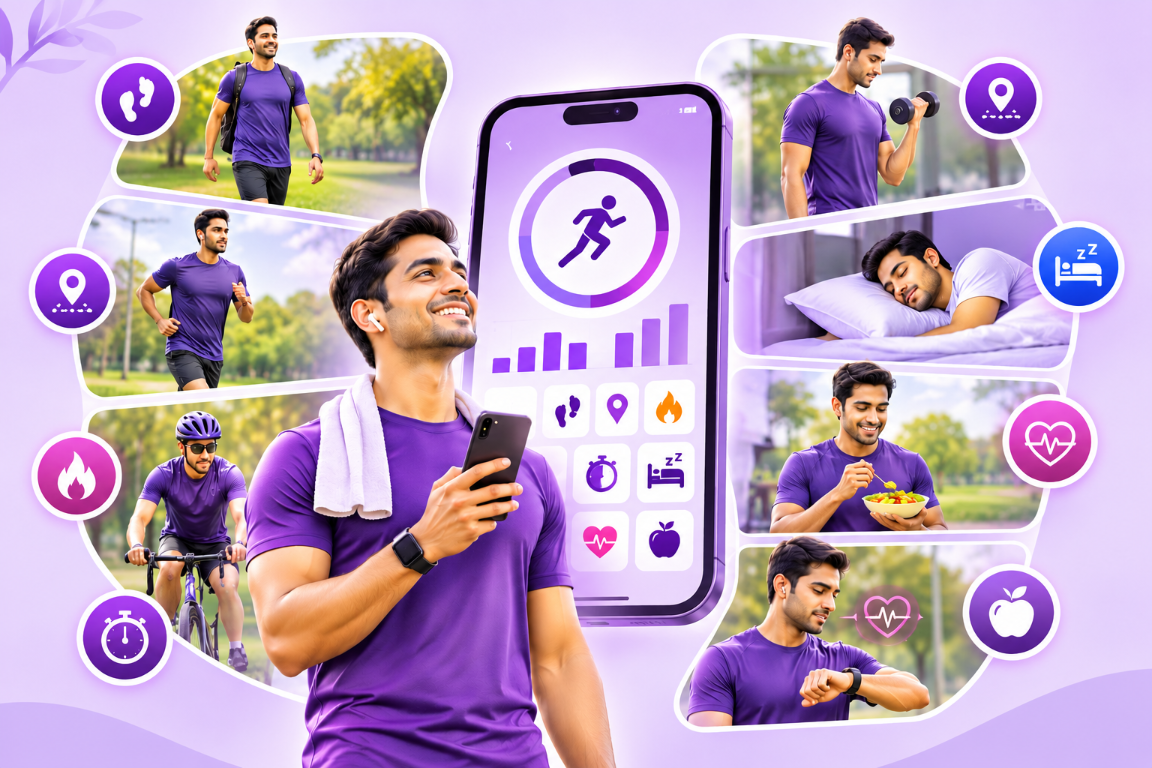
Not every app tracks all these measurements. Some specialise in physical activity, while others provide broader health monitoring.
For beginners, tracking daily steps and activity duration may be enough to establish a consistent movement routine.
Why Is Daily Health Tracking Important?
Daily health tracking helps people understand their lifestyle patterns and identify opportunities for improvement.
1. Builds awareness
Tracking reveals how active or inactive your everyday routine may be.
2. Encourages consistency
Reviewing activity can motivate you to maintain regular movement.
3. Supports realistic goals
Personal activity records help you set targets based on your current abilities.
4. Shows long-term patterns
Weekly and monthly summaries make gradual changes easier to recognise.
5. Supports healthy habits
Tracking can encourage regular walking, exercise and other positive lifestyle behaviours.
Health tracking itself does not improve fitness. Its value comes from helping people make and maintain beneficial changes.
How Many Steps Should You Walk Daily?
There is no universal step target suitable for everyone. The appropriate number depends on age, fitness level, mobility and overall health.
Although 10,000 steps is a widely recognised goal, research suggests that meaningful benefits may be associated with lower step counts.
A 2025 systematic review published in The Lancet Public Health found that approximately 7,000 daily steps were associated with several favourable health outcomes compared with 2,000 steps. The findings were observational and do not establish a guaranteed benefit for every individual.
Rather than immediately aiming for 10,000 steps, begin with your current daily average and increase movement gradually.

Heart health: Supporting cardiovascular fitness and reducing certain long-term health risks.
Mental well-being: Improving mood and helping reduce symptoms of anxiety and depression.
Weight management: Contributing to energy expenditure alongside balanced nutrition.
Better sleep: Supporting sleep quality and general well-being.
Reduced sedentary behaviour: Encouraging movement throughout the day.
The World Health Organization recommends that adults aim for 150–300 minutes of moderate-intensity aerobic activity per week, along with muscle-strengthening activities on at least two days.
Even small amounts of additional activity can be beneficial, particularly for people who are currently inactive.
How Can ACTIVITY App Support Daily Health Awareness?
ACTIVITY App is designed around tracking everyday movement and encouraging consistent participation.
Rather than attempting to measure every aspect of health, it focuses on helping users understand and engage with physical activity.
Its relevant features include:
Daily activity records
Users can follow supported measurements such as steps, distance in kilometres and estimated calories burned.
Personal activity goals
Profile-based goals provide targets that users can work towards during their normal routines.
Streaks and milestones
Streaks make consecutive periods of completed activity goals visible.
Fitness challenges
Daily and distance challenges give users optional structured activity targets.
Teams and community
Friends, family members and colleagues can participate in shared activity experiences.
Cause-based participation
Eligible movements can contribute to supported charitable causes through the platform's donation programmes.
A Simple 30-Day Daily Activity Tracking Plan
A four-week approach can help beginners gradually introduce regular movement.
| Week | Focus | What to do |
|---|---|---|
| Week 1 | Understand your routine | Track your normal activity and calculate daily averages |
| Week 2 | Increase movement | Add short walks or regular movement breaks |
| Week 3 | Build consistency | Follow a manageable routine or participate in group activities |
| Week 4 | Review progress | Compare results and adjust your goals |
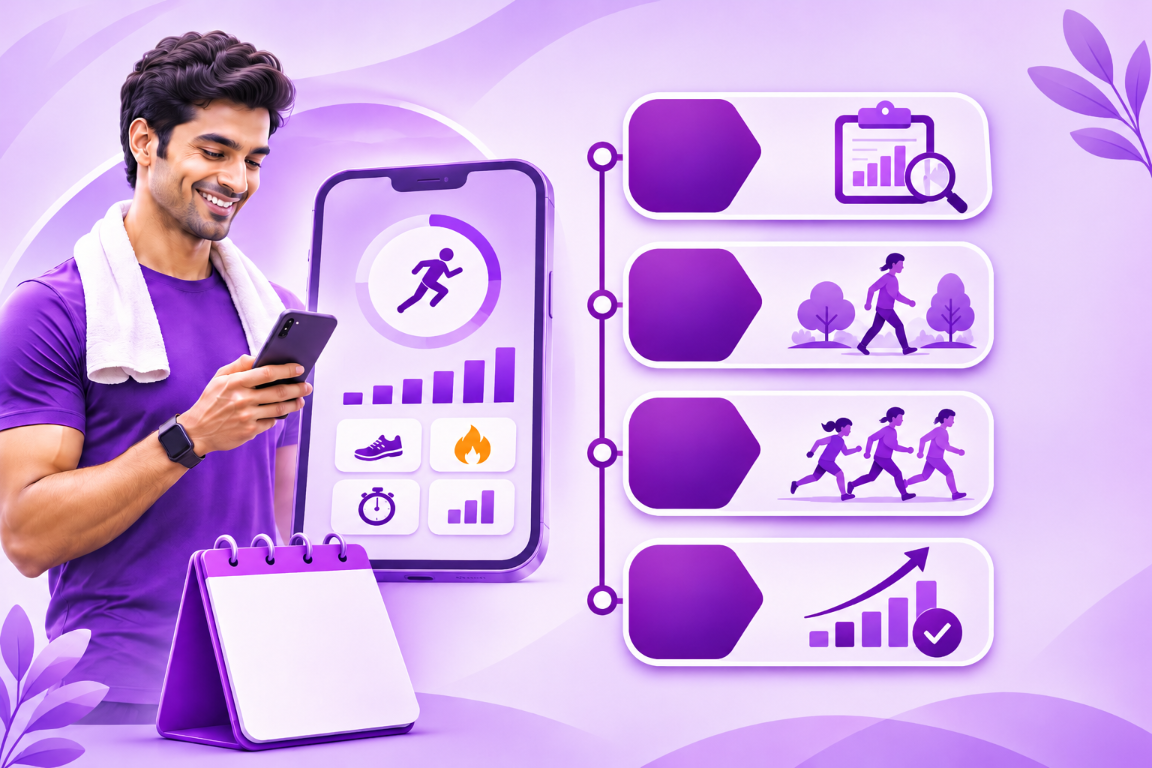
Avoid treating missed days as failures. Consistent progress over several weeks is more meaningful than maintaining a perfect streak.
How to Choose the Right Health Tracking App
The right health tracking app depends on your personal goals, the measurements you need and how comfortably you can use it.
Consider these features before choosing an application:
Activity tracking
Support for the measurements relevant to your goals.
Simple interface
Clear navigation and understandable reports.
Goal setting
Flexible targets that match your activity level.
Progress insights
Daily and weekly summaries.
Device compatibility
Support for your smartphone or wearable.
Privacy and security
Transparent data collection and account controls.
Motivation features
Optional reminders, challenges or community activities.
Some platforms combine several categories of health information. Others focus specifically on walking, running and everyday movement.
For example, ACTIVITY App focuses on daily activity tracking, including steps, distance, estimated calories burned and community-based fitness challenges.
Choosing a tool that matches your actual needs is generally more useful than selecting one with the largest number of features.
How Accurate Are Health Tracking Apps?
Health tracking apps provide useful estimates, but measurements are not always completely accurate.
Step counts can vary depending on how a phone is carried, walking speed and sensor performance.
Distance calculations may rely on GPS or estimated stride length.
Calories burned are estimates influenced by factors such as body size, activity intensity and duration.
For this reason, health tracking information is usually most valuable for identifying patterns rather than treating every number as exact.
Medical measurements such as blood pressure or blood glucose should be taken using appropriate validated devices and interpreted with professional guidance.
Is Your Health Data Safe in a Tracking App?
Health tracking apps may collect personal information, so users should understand how that information is handled.
Before registering, review the application's privacy policy and required permissions.
Important considerations include the data collected, its intended use, whether information is shared with third parties and how users can request deletion.
ACTIVITY App provides a Privacy Policy and an account deletion page.
Users should review these documents before sharing personal information.
Avoid assuming that an application is medically certified or provides complete protection simply because it tracks health-related data.
Common Health Tracking Mistakes to Avoid
Health tracking should encourage positive habits rather than create unnecessary pressure.
Setting unrealistic goals
Start with your current activity level instead of immediately aiming for high step counts.
Tracking too many measurements
Focus on a few indicators relevant to your health goals.
Focusing only on calories
Estimated calories burned do not represent overall health or fitness.
Comparing yourself with others
Individual abilities and circumstances vary.
Ignoring recovery
Rest and reduced-activity days are normal parts of a balanced routine.
Overlooking long-term trends
Weekly and monthly patterns provide more useful context than a single day's numbers.
A balanced approach makes health tracking easier to maintain.
Frequently Asked Questions About
Health Tracking Apps
Explore ACTIVITY App Videos
Learn smart tracking, interactive challenges and community engagement through quick, motivational video demos.
Join Fun Fitness Challenges
One Simple Action: Walking
Making Walking a Habit
Conclusion
A health tracking app can make it easier to understand everyday movement, monitor personal goals and develop consistent healthy habits.
The key is to focus on meaningful measurements, start with achievable goals and review progress over time.
Whether you are beginning a walking routine or maintaining an active lifestyle, health tracking should support sustainable choices rather than perfect numbers.
Small, consistent improvements in daily activity can contribute to better long-term well-being.
ACTIVITY App connects daily movement tracking with goals, challenges and community participation, offering a practical option for people who want to make physical activity a regular part of their lifestyle.
Explore ACTIVITY App to learn more about its activity and wellness features.