Fitness Tracking App
A fitness tracking app helps you record physical activities, measure fitness progress and work towards personal goals. From walking and running to fitness challenges and group activities, explore how fitness tracking can make everyday movement more structured, engaging and rewarding.
Download Now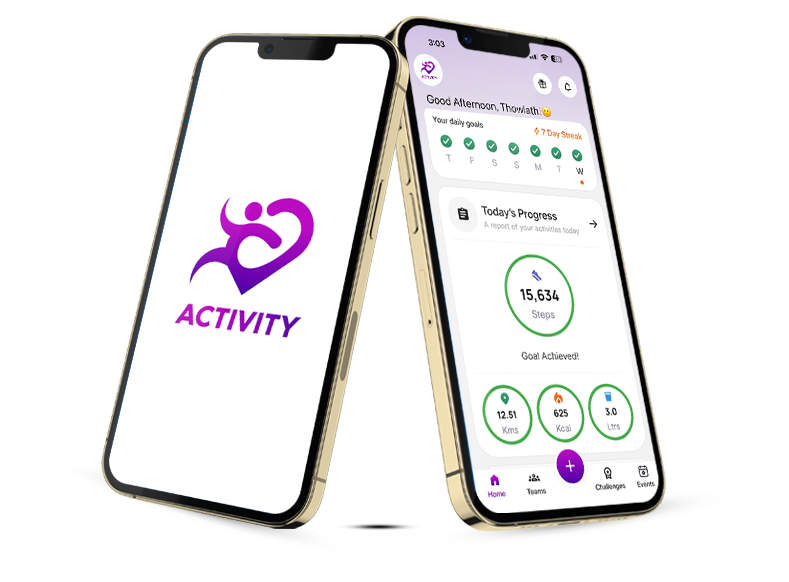
What Is a Fitness Tracking App?
A fitness tracking app is a mobile application designed to monitor physical activities, record workout performance and help users follow their fitness goals.
Depending on the application, it may record walking, running, cycling, exercise duration, distance covered, estimated calories burned or workout achievements.
Unlike general wellness applications that may cover sleep, nutrition and other health measurements, fitness tracking apps focus primarily on physical movement and exercise-related progress.
They can support beginners establishing an activity routine, runners preparing for events and individuals looking to maintain consistent fitness habits.
How Does Fitness Tracking Work?
Fitness tracking apps gather activity information from smartphone sensors, GPS, connected wearables or manually entered workout records.
The collected information is then organised into activity summaries, progress charts and fitness reports.
The available functions depend on the application and device.
Some apps specialise in individual workout tracking, while others focus on daily activity, group challenges or organised fitness events.
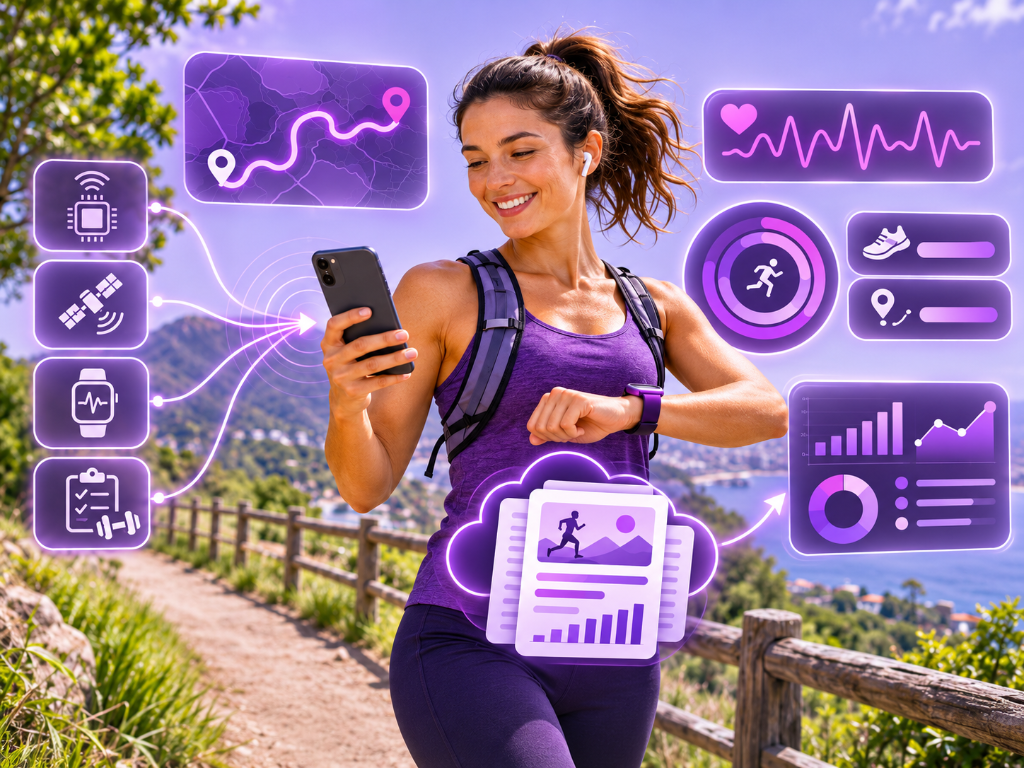
Most fitness tracking systems involve four basic functions:
Activity detection
Recording movement or exercise sessions through supported sensors.
Performance measurement
Estimating values such as steps, distance, duration or energy expenditure.
Progress monitoring
Comparing completed activities with personal targets and previous performance.
Motivation and engagement
Supporting consistency through milestones, reminders, challenges or shared goals.
Types of Fitness Tracking Apps
Fitness tracking applications are available for different exercise preferences and fitness objectives.
| App category | Primary purpose |
|---|---|
| Step tracking apps | Monitor everyday walking and movement |
| Running tracking apps | Record running distance, pace and sessions |
| Cycling tracking apps | Monitor cycling routes, distance and speed |
| Workout tracking apps | Log gym exercises, sets and training sessions |
| Activity challenge apps | Track progress in individual and group fitness challenges |
| Wearable companion apps | Display supported fitness data from smartwatches and bands |
Some applications combine multiple categories, allowing users to track daily movement and participate in structured activities through one platform.
The most suitable category depends on whether your priority is exercise performance, regular movement, event preparation or social fitness participation.
What Features Should a Fitness Tracking App Have?
The usefulness of a fitness tracking app depends on how well its features match the user's needs.
Activity and workout records
A reliable fitness tracking experience should make it easy to review completed activities and understand performance over time.
Personal fitness goals
Flexible goal setting allows users to work towards targets based on their current fitness level, interests and schedule.
Progress reports
Activity histories, weekly summaries and milestones help users evaluate consistency and improvements.
Fitness challenges
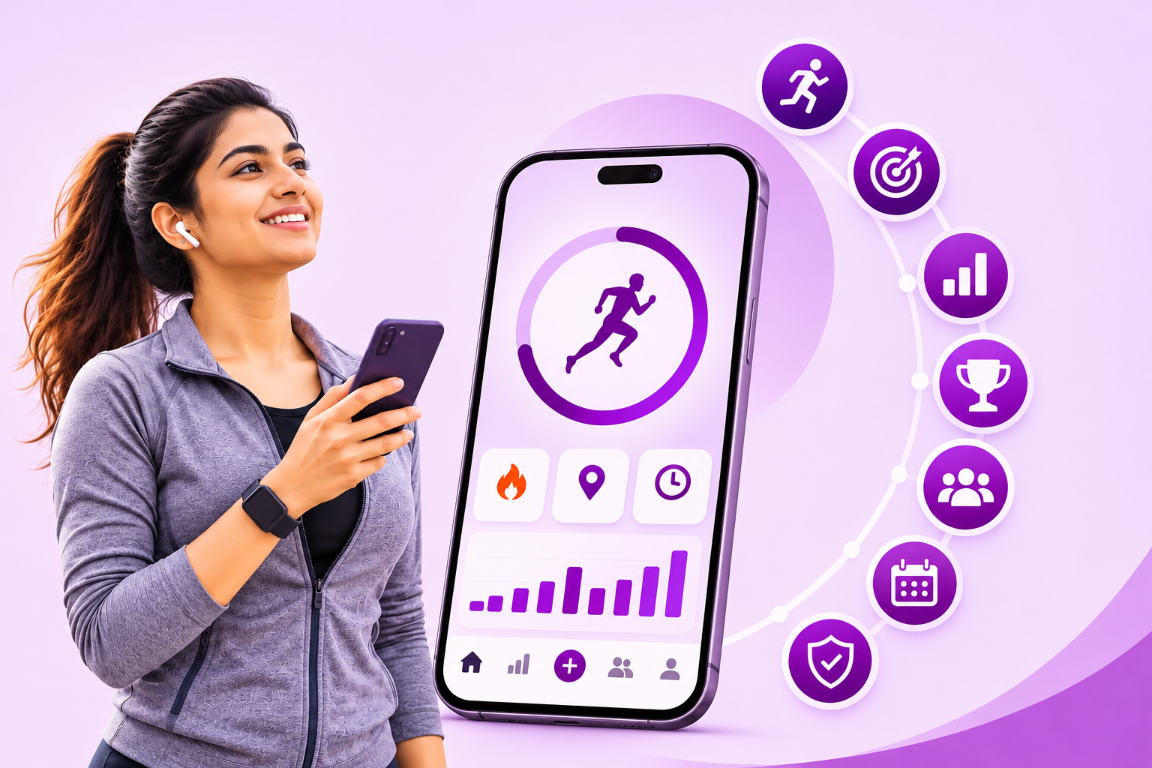
Challenges introduce specific objectives, such as completing a distance, reaching an activity target or maintaining regular participation.
Team participation
Group features allow friends, families or colleagues to participate in shared fitness activities and view collective progress.
Fitness event access
Some platforms provide opportunities to discover or participate in marathons, walkathons and virtual fitness events.
How Can You Measure Fitness Progress?
Fitness progress is not limited to weight changes or achieving a particular step count.
Different activities require different ways of evaluating improvement.
| Fitness goal | Useful progress indicators |
|---|---|
| Walk more regularly | Activity frequency and walking distance |
| Improve running performance | Pace, distance and session consistency |
| Build endurance | Duration and distance at a manageable effort |
| Maintain exercise habits | Completed sessions per week |
| Prepare for a fitness event | Training milestones and event-distance progress |
| Join group activities | Challenge participation and completed goals |
For example, a beginner runner may initially focus on completing regular short runs before concentrating on speed.
Someone preparing for a walkathon may monitor how comfortably they can complete increasing distances.
Meaningful fitness progress is personal. It should be evaluated against your starting point, activity goals and physical abilities rather than other people's results.
How Do Fitness Goals and Challenges Keep You Motivated?
Fitness challenges turn general intentions into specific activities with measurable outcomes.
Instead of simply planning to exercise more, a participant can work towards completing a defined distance or maintaining regular activity during a chosen period.
Challenges can make progress more visible and create opportunities for social interaction.
However, targets should remain appropriate for individual abilities. Rest, recovery and flexibility are important even when participating in competitive activities.
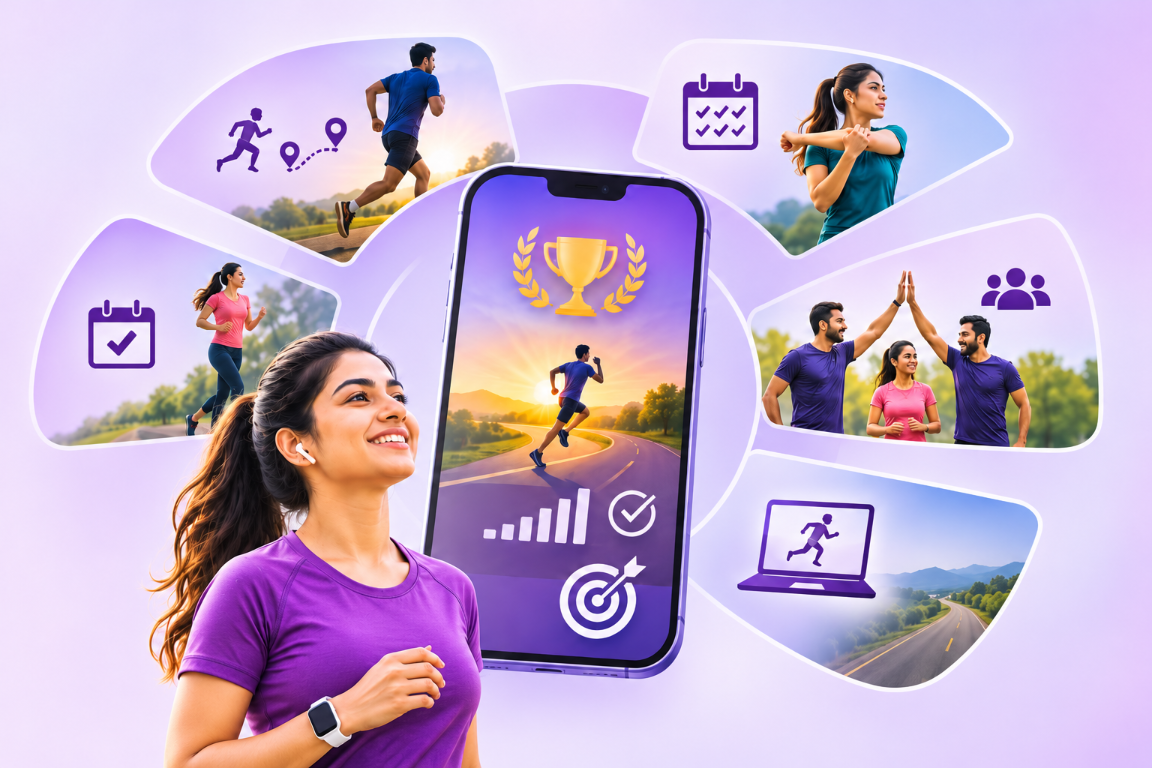
Common challenge formats include:
- Distance challenges: Complete a specified walking, running or cycling distance.
- Daily activity challenges: Work towards an activity target each day.
- Consistency challenges: Participate in an activity over a defined number of days.
- Team challenges: Complete individual or collective goals with a group.
- Virtual fitness challenges: Participate remotely according to an organiser's requirements.
What Is the Role of Community in Fitness Tracking?
Fitness is often considered an individual activity, but community participation can make exercise more engaging.
Walking groups, running clubs and digital fitness communities provide opportunities to share goals, celebrate achievements and encourage regular participation.
Social fitness features may include team dashboards, shared milestones, friendly competitions and group challenges.
For example, colleagues might participate in a workplace walking challenge, while friends could organise a weekend distance goal.
Some fitness applications support these interactions through dedicated team features.
The ACTIVITY App, for instance, includes teams where members can view activity progress, contributions and leaderboards.
Community participation is optional. Users who prefer exercising independently can still benefit from personal fitness tracking.
How Can Fitness Tracking Help With Marathons and Walkathons?
Marathons and walkathons provide structured opportunities to work towards distance-based goals.
A fitness tracking app can assist participants by recording training activities, reviewing distances and maintaining an activity history.
Some fitness platforms also connect participants with organised events.
For example, ACTIVITY App's marathon hub provides access to marathon and walkathon information and uses a unique RUN ID to organise participation-related records.
Event registration, timing and results depend on the organiser's rules and supported tracking arrangements.

Before the event
Participants can monitor practice walks or runs and gradually prepare for their chosen distance.
During the event
Depending on the application and event requirements, tracking tools may record distance, activity duration and other available information.
After the event
Completed activities can be reviewed to understand performance and identify future training goals.
Can Fitness Tracking Support Social Causes?
Fitness tracking can also connect physical activity with community initiatives and charitable programmes.
Some activity-based platforms allow users to participate in events supporting NGOs, fundraising campaigns or social causes.
These initiatives encourage individuals to combine personal fitness goals with collective participation.
One example is ACTIVITY App's step-donation feature, which connects eligible movement with charitable contributions supported by sponsors.
Users can explore available causes, participate according to programme requirements and contribute through qualifying activities.
Donation calculations, sponsorship arrangements and eligibility conditions can vary between programmes. Participants should review the applicable terms rather than assume every recorded step automatically creates a monetary donation.
How to Choose a Fitness Tracker App in India
When selecting a fitness tracker app in India, consider your preferred activities, smartphone compatibility and the features you are likely to use consistently.
Device support
Check compatibility with your Android or iOS device and any wearable you already use.
Tracking requirements
Identify whether you need everyday movement records, running metrics, workout logs or cycling activity.
Ease of use
Choose an interface that makes starting activities and reviewing results straightforward.
Fitness participation
Consider whether you would benefit from local events, virtual challenges, teams or community programmes.
Battery and data usage
Review how background tracking, GPS and syncing affect your smartphone.
Pricing and privacy
Understand subscriptions, permissions, data practices and account controls before registering.
A good choice should fit your current routine while allowing room for your interests to develop.
Getting Started With a Fitness Tracking Routine
A practical fitness tracking routine can begin with a few simple decisions.
Choose an activity
Select walking, running, cycling or another form of movement that suits your interests and abilities.
Decide what to measure
Focus on a relevant indicator, such as workout frequency, distance or activity duration.
Create a realistic target
Choose a goal that can be maintained alongside your other responsibilities.
Record activities consistently
Use an app or activity log to keep track of completed sessions.
Review and adjust
Evaluate whether your performance, consistency or confidence is improving and adjust the goal when appropriate.
You can introduce challenges, group activities or events once you feel comfortable with your routine.
Fitness tracking works best when it supports regular participation rather than encouraging unrealistic performance expectations.
Common Fitness Tracking Mistakes
Even useful tracking tools can become distracting when measurements are misunderstood.
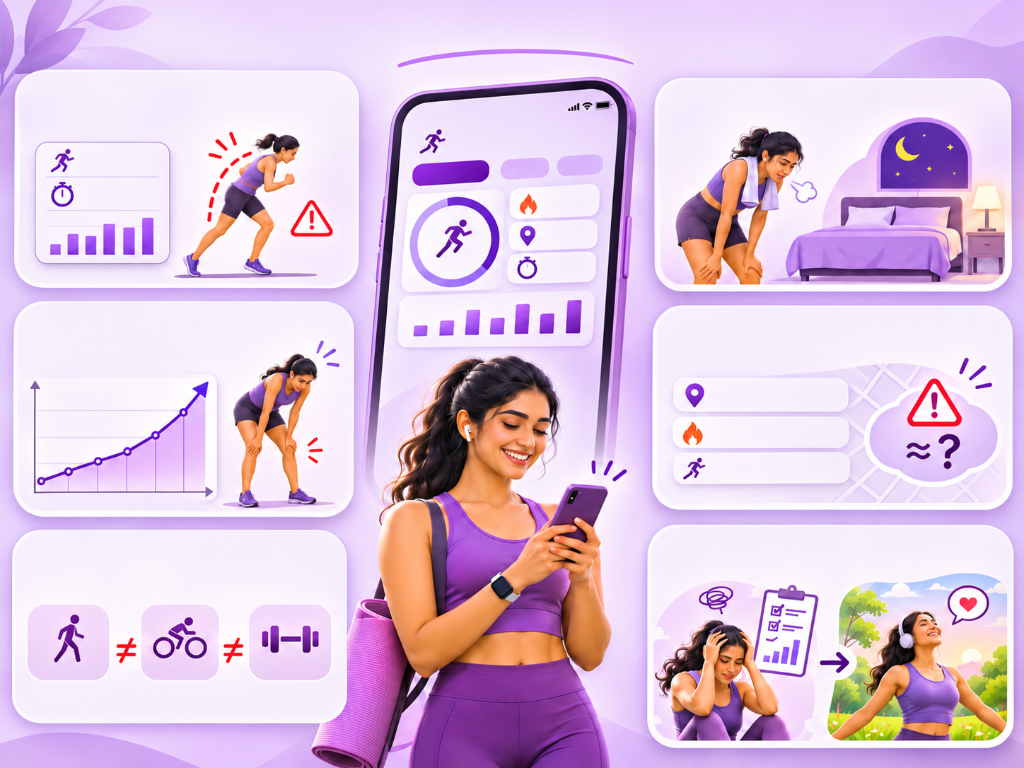
Prioritising numbers over technique
Distance and pace are useful, but safe exercise technique and appropriate effort remain important.
Increasing activity too quickly
Sudden changes in training volume can increase fatigue or injury risk.
Comparing different activities
Walking, cycling and strength training produce different measurements and should not be evaluated using the same indicator.
Ignoring recovery
Training progress depends on balancing physical activity with sufficient rest.
Treating app estimates as exact
Distance, energy expenditure and other calculated values may have measurement errors.
Losing sight of enjoyment
Fitness activities should be manageable and rewarding, not simply another set of daily targets.
The purpose of tracking is to provide helpful feedback while supporting a sustainable fitness routine.
Frequently Asked Questions About
Fitness Tracking Apps
Explore ACTIVITY App Videos
Learn smart tracking, interactive challenges and community engagement through quick, motivational video demos.
Join Fun Fitness Challenges
One Simple Action: Walking
Making Walking a Habit
Conclusion
A fitness tracking app offers a practical way to organise physical activity, understand exercise performance and work towards meaningful fitness goals.
Whether your interest is walking, running, cycling, group challenges or organised fitness events, choosing an application that matches your needs can make tracking easier and more relevant.
The most effective approach is to focus on consistent participation, measurable personal progress and activities you enjoy.